
Learning Guided by Academic Expertise
Faculty-Led Study Programs
Connect academic guidance with meaningful learning experiences, collaborative inquiry, and opportunities to examine real-world questions through discussion, research, and hands-on engagement.
Academic Guidance in Action
Learn Through Shared Inquiry
Faculty-led learning brings academic guidance into conversation with student questions, collaborative activities, and meaningful educational experiences. Through discussion, investigation, and reflection, instructors can help students connect theoretical concepts with the contexts and issues they study.
Depending on the program, faculty-led experiences may include seminars, field activities, collaborative research, community engagement, or interdisciplinary exploration. These approaches create opportunities for students to examine ideas closely, exchange perspectives, and relate academic learning to real-world questions.

Guided discussion creates space to examine ideas from multiple perspectives.
Why Faculty-Led Learning
Guidance That Connects Ideas
Academic guidance can create opportunities for deeper discussion, informed inquiry, collaborative learning, and reflection on complex subjects and real-world experiences.
Academic Direction
Receive guidance that helps connect relevant concepts, learning questions, and activities to the academic subject being studied.
Deeper Inquiry
Examine ideas, evaluate evidence, and ask thoughtful questions with opportunities for discussion and academic feedback.
Collaborative Learning
Exchange perspectives, participate in group discussions, and consider different interpretations of shared academic questions.
Applied Knowledge
Connect academic concepts with field activities, case studies, observations, or other relevant learning experiences when included in the program.
How Guided Learning Works
More Ways to Engage With Ideas
Faculty-led learning can combine different educational approaches to help students examine questions, exchange perspectives, and connect academic concepts with practical contexts. The appropriate approach depends on the subject and the program's learning objectives.
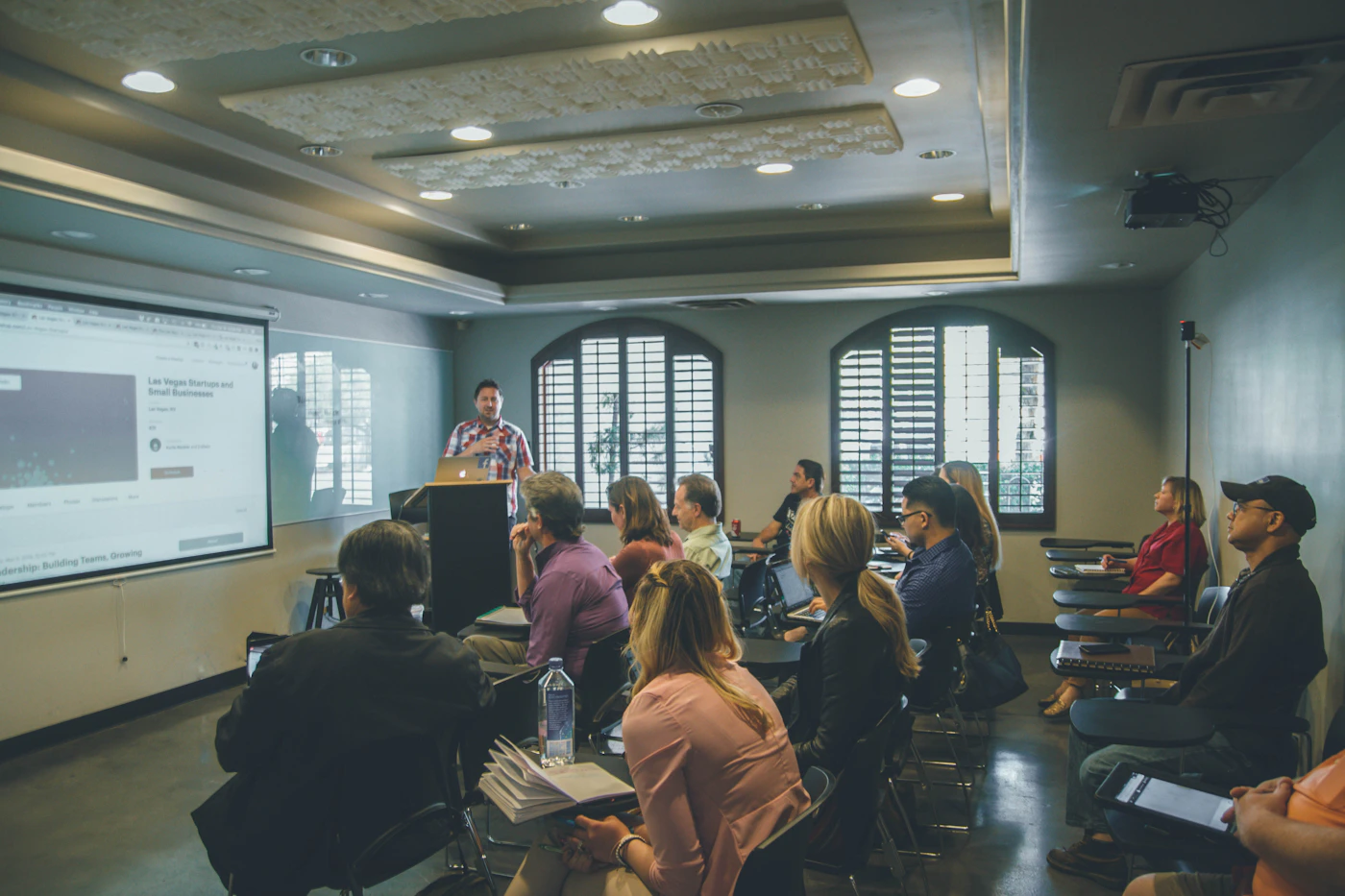
Seminar Discussions
Examine academic questions through guided discussion, close analysis, thoughtful questioning, and the exchange of different interpretations.
Field-Based Learning
Connect academic concepts with direct observation, visits to relevant settings, and learning activities outside the traditional classroom when appropriate.
Collaborative Research
Investigate questions together, examine available evidence, and discuss how different perspectives contribute to the analysis.
Community and Contextual Engagement
Consider social and local contexts through educational activities that connect academic inquiry with community experiences when appropriate.

Academic questions can gain new context through observation, conversation, and guided investigation.
Learning in Real Contexts
Bring Academic Ideas to Life
Learning experiences can become more meaningful when students connect academic concepts with direct observation, practical questions, thoughtful discussion, and the environments in which those questions arise.
Guided Field Exploration
Examine relevant environments and real-world situations through structured observation, discussion, and academic questioning.
Research and Investigation
Develop research questions, examine available information, and explore evidence with appropriate academic guidance.
Interdisciplinary Discussion
Consider how different academic perspectives contribute to the examination of complex social, cultural, political, or environmental issues.
Reflective Academic Practice
Review observations and discussions, relate experiences to course concepts, and identify new questions for further inquiry.
From Guidance to Reflection
A Connected Learning Process
Faculty-led learning can bring together preparation, active participation, guided inquiry, and reflection. These stages help illustrate how students may connect academic questions with experiences and develop more considered perspectives.
Stage 01
Prepare
Identify the academic topic, review relevant material, and consider the questions that will guide the learning activity.
Stage 02
Engage
Participate in discussions, research, field activities, or other learning experiences appropriate to the program.
Stage 03
Investigate
Examine evidence, discuss alternative interpretations, and connect observations with relevant academic concepts under appropriate guidance.
Stage 04
Reflect
Review what has been learned, consider new perspectives, and identify questions or connections that may inform future academic inquiry.
Common Questions
Faculty-Led Programs FAQs
Practical information about faculty guidance, learning activities, collaboration, and academic inquiry.
Faculty-led study programs involve academic learning guided by an instructor or faculty member. Depending on the program, they may combine instruction, discussion, research, and other educational activities.
Faculty-led learning includes guidance from an instructor, while independent study generally places more responsibility on the learner to organize and direct the work. The exact balance varies by program.
Activities may include seminars, discussions, field visits, collaborative research, community engagement, and guided reflection. The specific activities depend on the subject and program design.
Yes. Some faculty-led programs may include field observations, investigations, site visits, or other research activities where these methods are relevant to the academic subject.
They may include collaborative discussions, group inquiries, or shared projects. The format depends on the learning objectives and the structure of the individual program.
Yes. Depending on the subject, faculty-led learning can connect multiple academic perspectives to examine questions that involve social, cultural, political, economic, or environmental factors.
Faculty guidance can provide opportunities for academic discussion, feedback, critical inquiry, and reflection. The benefits and learning outcomes depend on the specific educational experience.
Consult HECUA's official program information or contact HECUA directly for accurate details about current programs, instructional arrangements, activities, and participation requirements.
Learn With Guidance and Purpose
Take Your Learning Further
Connect your academic interests with guided inquiry, collaborative experiences, and opportunities to examine meaningful questions through a deeper engagement with learning.